Email marketing is a powerful way to grow an online business
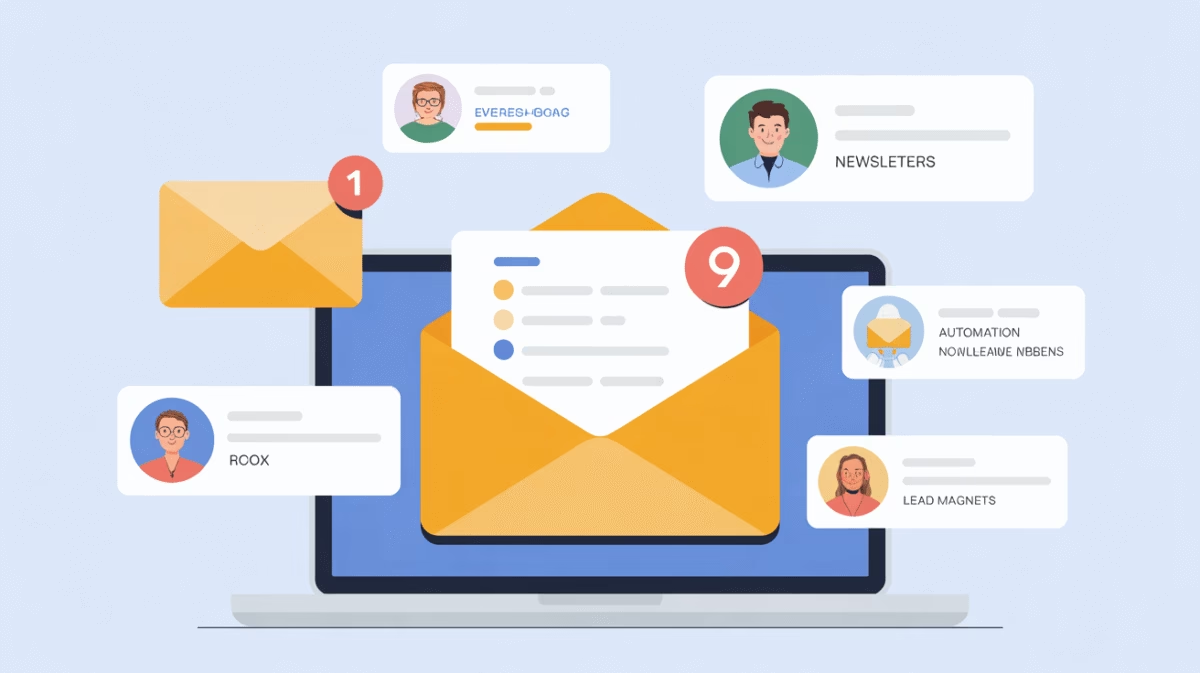
Email marketing is one of the most powerful ways to grow an online business, and this beginner-friendly guide will show you exactly how to get started. Whether you’re launching your first blog, building an affiliate marketing business, or trying to turn website visitors into loyal fans, email marketing gives you a simple and reliable way to stay connected with your audience.
What You Will Learn in This Guide
In this guide, you’ll learn:
- What email marketing actually means
- Why email is still more effective than social media
- How online businesses use email to grow their income
- The basic steps to start building your own email list
- The key parts of an email marketing strategy that brings results
By the end, you’ll have a clear, step-by-step understanding of how to launch your first email marketing campaign—even if you have zero experience.
Why Email Marketing Still Matters Today
You might think email is old-school, but it’s still the #1 digital marketing channel for conversion and customer loyalty. Unlike social media, where algorithms control your reach, email gives you full ownership of your audience. If someone gives you their email address, it means they want to hear from you. That’s powerful.
Plus:
- Emails land directly in your subscriber’s inbox
- Email marketing has one of the highest ROIs in digital marketing
- You can build trust faster with personal messages
- You’re not competing with thousands of posts, comments, and ads
For beginners, email is one of the easiest and most cost-effective ways to grow.
Quick Examples of How Online Businesses Use Email to Grow
Here are real examples of how entrepreneurs and content creators use email marketing every day:
- Affiliate marketers send helpful tips plus product recommendations to earn commissions.
- Bloggers use email newsletters to share new posts and bring readers back to their site.
- E-commerce stores promote special deals, product launches, and abandoned-cart reminders.
- Coaches and freelancers offer free value emails to build trust before selling premium services.
- Digital product creators use email sequences to launch courses, ebooks, and templates.
No matter what niche you’re in, email gives you a way to stay connected and build real relationships with your audience.
Related Posts You Can Explore Next
To help you go even deeper, here are some helpful guides you can read after this:
- How to Build an Email List From Scratch (Growing Subscribers on Day One)
- Top Affiliate Products for Beginners: Easy Programs That Actually Pay
- How to Create Irresistible Lead Magnets That Grow Your Email List Fast
2. What Is Email Marketing?
Simple Definition
Email marketing is the process of sending helpful, valuable, and relevant messages to people who have chosen to join your email list. It’s a way to build relationships, share content, promote offers, and guide your audience toward taking action—whether that’s signing up, clicking, or buying.
In simple words:
Email marketing helps you stay in touch with your audience and turn subscribers into customers.
How Email Fits Into Digital Marketing
Think of digital marketing as a big system made up of different parts—your website, social media, SEO, content, and ads. Email marketing connects all of these pieces together.
For example:
- You use SEO to attract visitors.
- You use email marketing to keep them coming back.
- You use content marketing to build trust.
- You use email campaigns to recommend offers or promote products.
It’s the “glue” that keeps your traffic, content, and business goals aligned.
Why It Works So Well for Online Entrepreneurs
Email marketing is especially powerful for online businesses because:
- You own your audience—no platform can take them away.
- Emails are personal, which builds trust faster.
- Automation saves time, so your business grows even when you’re offline.
- People check their email daily, which means more chances to connect.
Instead of shouting into the noise of social media, email lets you speak directly to one person at a time—making it easier to build loyal fans.
Common Goals of Email Marketing
Most entrepreneurs use email to reach these goals:
- Engagement — keeping subscribers active and interested
- Traffic — sending readers back to your blog or website
- Sales — promoting products, services, or affiliate links
- Authority building — showing your expertise and earning trust
Once your email list starts growing, you’ll notice how much easier it is to increase clicks, conversions, and overall business income.
3. Why Email Marketing Is Important
Email marketing is one of the few digital marketing channels that gives you full control, long-term stability, and high returns. If you’re trying to build an online business in 2025—whether it’s blogging, affiliate marketing, dropshipping, freelancing, or selling digital products—email should be one of your top priorities.
You Own Your Audience
On social media, algorithms decide who sees your content. You can spend months growing an Instagram or TikTok account, and then one update can cut your reach in half.
But with email marketing, you own your audience.
When someone subscribes to your list:
- You can reach them anytime
- You’re not competing with thousands of posts
- No algorithm can block or limit your message
This ownership gives your business stability and long-term security.
High ROI Compared to Social Media
Email consistently delivers one of the highest returns on investment in digital marketing.
That’s because:
- It costs almost nothing to send an email
- You can automate most of your campaigns
- Your messages reach people who already trust you
For beginners, this means you can grow even if you don’t have a big budget for ads or fancy tools.
Direct Communication Builds Trust
People guard their inbox. So when someone invites you into it, it means they’re interested in what you offer.
This direct communication allows you to:
- Build trust with personal, helpful messages
- Share real value before promoting anything
- Create stronger relationships with your readers
- Move people from “cold visitor” to “loyal subscriber”
Over time, trust becomes your biggest advantage.
Works for Any Niche or Business Model
One of the best things about email marketing is its flexibility.
No matter what you’re doing online, email can support it.
Examples:
- Bloggers grow traffic and promote affiliate links
- E-commerce stores sell products through newsletters and promotions
- Freelancers use email to stay connected with potential clients
- Course creators launch digital products using email sequences
If your business needs leads, traffic, or sales, email works.
4. How Email Marketing Works (Step-by-Step)
If you’re brand-new to email marketing, the process might seem confusing at first. But once you learn the basic steps, it becomes simple and repeatable.
Here’s how it works from start to finish.
Step 1: Create an Account With an Email Marketing Service
To send emails professionally (and legally), you need an email marketing platform.
These tools let you:
- Collect subscribers
- Create automation
- Design newsletters
- Track performance
- Stay compliant with email laws
Popular beginner-friendly platforms include MailerLite, ConvertKit, Brevo, and Mailchimp.
Step 2: Build Your Email List Legally
You can’t just add people to your list. They must choose to sign up.
This keeps your list healthy, legally compliant, and ready to engage with your content.
Legal list-building methods include:
- Opt-in forms on your website
- Lead magnets (free guides, checklists, templates)
- Landing pages
- Newsletter sign-up links on social media
- Pop-ups and slide-ins
The key is to offer something valuable in exchange for the email.
Step 3: Create and Send Email Campaigns
Once you start collecting subscribers, it’s time to send your first email.
Your campaigns may include:
- Welcome emails
- Weekly newsletters
- Affiliate product recommendations
- Blog updates
- Value-packed educational content
- Promotional emails
The goal is to help your readers, not overwhelm them.
When you provide value consistently, people open more of your emails—and trust you more.
Step 4: Measure Results
After sending emails, you should track how they perform.
This helps you understand what your audience likes and what you need to improve.
Important metrics include:
- Open rate: How many people opened your email
- Click-through rate: How many clicked your links
- Conversion rate: How many took action (sign-up, purchase, download)
- Unsubscribe rate: Who left your list
Instead of guessing, analytics tells you exactly what to improve.
👉 Related post you can jump in:
- How to Start an Online Business with No Money
- Email Marketing Alternatives to MailChimp: Best Solution
5. Key Elements of an Effective Email Marketing Strategy
A strong email marketing strategy isn’t just about collecting addresses and sending random messages. You need a system—a few core elements working together to attract subscribers, build trust, and convert readers into customers. Below are the key components every beginner should understand.
a. Lead Magnets
Lead magnets are free resources you offer in exchange for someone’s email address. They give people a reason to subscribe and help you attract the right audience—people who are already interested in your niche.
Simple Definition
A lead magnet is a valuable freebie that solves a small problem for your audience. When someone downloads it, they join your email list.
Examples of Effective Lead Magnets
- Free ebooks or guides
- Checklists
- Templates or swipe files
- Mini-courses
- Free training videos
- Resource lists
- Worksheets
- Discounts or coupon codes (for e-commerce)
The key is to offer something specific and useful. The more targeted your lead magnet, the higher your conversion rate.
b. Landing Pages
A landing page is a simple page designed for one purpose: to get people to subscribe.
Purpose of a Landing Page
A landing page removes distractions and focuses on the opt-in.
It gives visitors a clear reason to join your list, and it often performs better than standard website forms.
Best Practices for High-Converting Landing Pages
- Use a clear headline explaining the benefit
- Add a short description of what they’ll get
- Show a preview image of the lead magnet
- Keep the form simple (name + email is enough)
- Add a strong call-to-action button
- Remove navigation and unnecessary links
- Make it mobile-friendly
When your landing page is clean and direct, more visitors turn into subscribers.
c. Email Sequences
Email sequences are a series of pre-written emails sent automatically over time. They guide new subscribers through a journey—from discovering your brand to trusting you to buying from you.
Common Types of Email Sequences
1. Welcome Series
Sent automatically when someone joins your list.
These emails:
- Introduce your brand
- Set expectations
- Deliver your lead magnet
- Build early trust
- Invite readers to check your best content
A good welcome sequence boosts engagement from day one.
2. Value Emails
These emails share helpful tips, guides, insights, or stories.
They build authority and make your subscribers look forward to hearing from you.
The more value you deliver, the more trust you earn.
3. Sales Sequences
These emails promote your products, services, or affiliate offers.
Sales sequences work best when you’ve already delivered plenty of value first—so subscribers feel confident buying from you.
d. Segmentation
Segmentation means dividing your email list into smaller groups based on interest, behavior, or experience level.
Why You Should Not Send the Same Email to Everyone
Your subscribers are different people with different needs.
When you send everyone the same message, your emails feel generic—and engagement drops.
Segmented emails help you send:
- More relevant offers
- Personalized recommendations
- Better tutorials based on skill level
- Content that matches their interests
This leads to higher open rates, more clicks, and happier subscribers.
e. Automation
Automation allows you to send emails automatically, based on triggers like sign-ups, purchases, or clicks.
How Automation Saves Time and Boosts Results
Email automation lets you:
- Run your marketing on autopilot
- Deliver consistent value
- Send the right message at the right time
- Build trust while you sleep
- Follow up with subscribers instantly
Once your automations are set up, your email system works for you 24/7—making it easier to grow even if you’re busy or just starting out.
6. Types of Emails You Can Send
Knowing what types of emails to send helps you stay consistent and provide value your readers actually enjoy. Here are the most effective ones for beginners and growing online businesses.
1. Welcome Emails
These are the first emails new subscribers receive.
A good welcome email:
- Thanks them for joining
- Delivers the lead magnet
- Tells them what to expect
- Invites them to follow you on social media or read your best posts
Welcome emails are your first impression—make them friendly and helpful.
2. Newsletter Emails
Newsletters keep your audience updated regularly.
You can include:
- Your latest blog posts
- Personal stories or insights
- Industry updates
- Tips and tutorials
- Links to valuable resources
Newsletters help you stay top-of-mind and build long-term loyalty.
3. Promotional Emails
These emails are designed to sell.
They work well for:
- Affiliate products
- Digital products (ebooks, templates, courses)
- Service offers
- Limited-time deals
- Launch announcements
The key is not to be pushy. Offer value first, then promote naturally.
4. Educational Emails
These emails teach something useful and help your reader solve a problem.
Examples:
- Step-by-step tutorials
- How-to guides
- Quick tips
- Industry explanations
Educational emails position you as an authority in your niche.
5. Lead Nurturing Sequences
These emails help move subscribers from “curious” to “ready to buy.”
They often include:
- Success stories
- Case studies
- Helpful tips
- Personalized recommendations
- Soft introductions to paid offers
Nurturing emails warm up your audience before selling.
6. Re-Engagement Emails
Sometimes subscribers stop opening emails.
Re-engagement emails help bring them back.
These emails usually:
- Ask if they still want to stay subscribed
- Offer a special freebie
- Share a powerful story or update
- Remind them what they’re missing
Re-engagement helps keep your list clean and active.
7. Choosing the Right Email Marketing Tool
Choosing the right email marketing platform is one of the most important steps for beginners. The tool you pick will determine how easy it is to grow your list, send campaigns, automate emails, and track your results. Luckily, there are plenty of user-friendly tools designed specifically for beginners.
What Features Beginners Need
When you’re just getting started, you don’t need the most advanced or expensive features. You only need tools that help you build your list and communicate effectively.
Look for a platform that includes:
- Easy drag-and-drop email builder
So you can create beautiful emails with no coding. - Signup forms and landing pages
Essential for growing your email list. - Automation features
For welcome sequences and basic follow-up emails. - List segmentation
Helps send more personalized emails as you grow. - Analytics dashboard
Track open rates, clicks, and conversions. - Affordable or free plan
Perfect for beginners starting with zero budget.
If a tool offers these basics, you’ll have everything you need to build a solid email marketing foundation.
User-Friendly Options (With Links)
Here are some tools beginners love because they’re simple, affordable, and easy to set up:
1. MailerLite
One of the most beginner-friendly options. Clean dashboard, great templates, simple automations, and a generous free plan.
🔗 https://www.mailerlite.com
2. Brevo (formerly Sendinblue)
Perfect for small businesses and online entrepreneurs. Offers automation, SMS marketing, and a strong free plan.
🔗 https://www.brevo.com
3. ConvertKit
Great for creators, bloggers, and affiliate marketers. Known for clean email designs and simple automation workflows.
🔗 https://www.convertkit.com
4. Mailchimp
A popular choice for beginners. Strong analytics, easy templates, and a well-known free plan.
🔗 https://www.mailchimp.com
Which One to Choose Depending on Your Goals
Choosing the best platform is all about matching your business model and goals.
- If you want simple, clean emails:
Choose ConvertKit. - If you want strong automation on a low budget:
Choose MailerLite. - If you want both email and SMS marketing:
Choose Brevo. - If you want lots of templates and brand customization:
Choose Mailchimp.
As your business grows, you can upgrade or switch tools, but starting with the right platform makes your journey smoother and faster.
8. How to Build an Email List From Scratch
If you’re starting with zero subscribers, don’t worry—every successful email list began with just one person. The most important thing is to make it easy and attractive for people to join. Here’s how to grow your list from scratch in a smart, beginner-friendly way.
Add Opt-In Forms on Your Website
Your website is one of the best places to collect subscribers.
Place opt-in forms:
- At the top of your homepage
- At the end of blog posts
- In your sidebar
- Inside your about page
- On your resources/tools page
The more visible your forms are, the faster your list grows. Keep the form simple—name and email only.
Use High-Quality Lead Magnets
Lead magnets help convince people to subscribe by offering something valuable upfront.
Examples of high-converting lead magnets:
- Checklists
- Mini ebooks
- Free trainings
- Templates
- Swipe files
- Free trials or discounts (for e-commerce)
Make sure your lead magnet solves a small but real problem for your audience.
Share Sign-Up Links on Social Media
Your social media accounts are powerful traffic sources for building your list.
You can:
- Add your sign-up link in your bio
- Mention your lead magnet in posts
- Share helpful tips and invite followers to download your freebie
- Use Instagram Stories or TikTok videos to promote your newsletter
If your content is helpful, people will want more—and your email list becomes the place where they can get it.
Add Pop-Ups and Slide-Ins
Pop-ups and slide-ins can dramatically increase your subscriber count when used properly.
Best practices:
- Delay the pop-up (e.g., after 20–30 seconds)
- Make it appear when someone scrolls
- Offer something valuable (your lead magnet)
- Keep it simple and friendly
Used correctly, pop-ups don’t annoy readers—they help them discover your best free resources.
Optimize for Mobile
More than half of your visitors browse on a phone, so your forms must work perfectly on mobile.
Check that your:
- Forms load quickly
- Text is readable
- Buttons are large and easy to tap
- Pop-ups don’t block the entire screen
A mobile-optimized sign-up experience means higher conversions and more subscribers.
9. Writing Emails That People Want to Read
Writing great emails isn’t about sounding perfect. It’s about sounding human, helpful, and real. If you want higher open rates, more clicks, and loyal subscribers, you need to write emails that feel personal and valuable—emails people look forward to.
Below are the key principles beginners should follow.
Use Short, Clear Sentences
Long, complicated sentences scare readers away.
Short sentences keep your message easy to read and easy to understand—especially on mobile.
Your emails should feel like a conversation, not a lecture.
Speak Directly to the Reader
Use words like “you,” “your,” and “here’s how”.
This makes your emails more personal and builds a stronger connection.
Instead of saying:
People should build an email list because…
Say:
You should build your email list because…
Small changes create a more engaging experience.
Add Value Before Selling
If every email you send is a sales pitch, your subscribers will stop opening your messages—or unsubscribe.
Your goal is to serve first, sell second.
Examples of value-driven content:
- Quick tips
- Mini tutorials
- Personal insights
- Helpful tools or resources
- Stories with lessons
When readers trust your value, they naturally trust your recommendations.
Use Clear Calls-to-Action (CTAs)
A CTA tells readers what to do next.
Without one, people read your email and do… nothing.
Examples of clear CTAs:
- “Read the full guide”
- “Download your free checklist”
- “Watch the 1-minute tutorial”
- “Reply and tell me what you think”
Keep your CTA simple and easy to find.
Avoid Spam Words
Email filters are smart, but certain words can still increase the chance of landing in spam.
Avoid overly salesy phrases like:
- “Make money fast”
- “100% free!!!”
- “Click now!”
- “Guaranteed income”
Focus on honesty, clarity, and natural writing.
Keep Subject Lines Simple but Strong
Your subject line determines whether someone opens your email.
The best subject lines are:
- Short
- Clear
- Personal
- Focused on value
Examples:
- “Your free guide is inside”
- “Quick tip for faster results”
- “Can I help you with this?”
When your subject line sets a clear expectation, your open rates improve.
10. Metrics You Should Track
Email marketing becomes much easier when you understand your numbers. Metrics show you what’s working, what needs improvement, and how your subscribers respond to your content.
Here are the essential metrics all beginners should track.
Open Rate
This tells you how many people opened your email.
A strong open rate means:
- Your subject lines are effective
- Subscribers trust you
- Your emails don’t land in spam
If your open rate is low, test new subject lines or clean inactive subscribers.
Click-Through Rate (CTR)
CTR measures how many people clicked a link inside your email.
A high CTR means:
- Your content is engaging
- Your CTA is clear
- Your links are relevant to your audience
If CTR is low, improve the clarity of your message or make your CTA more visible.
Conversion Rate
Conversions are the actions you want subscribers to take—buying, signing up, booking a call, downloading something, etc.
This metric shows:
- How effective your offers are
- Whether your email sequence is doing its job
- If your audience is ready to take the next step
Conversions reflect the true performance of your email strategy.
Unsubscribe Rate
Some unsubscribes are normal.
But a high unsubscribe rate means something is off.
Possible reasons:
- You’re emailing too often
- Your content doesn’t match expectations
- You’re being too sales-heavy
- Your subject lines feel clickbait-y
Use this metric to improve the value of your emails and the frequency of your messages.
How to Interpret These Numbers
Don’t panic over one email with low numbers. Look for patterns over time.
Ask yourself:
- Are your open rates improving?
- Which topics get the most clicks?
- Which links do subscribers ignore?
- Do people buy after reading your emails?
Your metrics tell a story—use them to build a smarter strategy and send emails your audience truly enjoys.
11. Common Email Marketing Mistakes to Avoid
Even though email marketing is beginner-friendly, many new marketers make the same mistakes that slow down their growth. The good news? You can avoid all of them with a little awareness. Here are the most common mistakes—plus what to do instead.
1. Buying Email Lists
Buying email lists may seem like a shortcut, but it’s one of the fastest ways to damage your sender reputation.
Why it’s a mistake:
- People on the list didn’t choose to hear from you
- Your emails may be marked as spam
- Deliverability will drop
- You can violate email marketing laws
Always build your list organically. It’s slower at first, but it leads to loyal, engaged subscribers who actually want your content.
2. Sending Emails Without Permission
Sending emails to people who didn’t opt in is not only bad practice—it can be illegal in many countries.
Plus, uninvited subscribers rarely convert.
Instead:
- Use clear opt-in forms
- Make your intentions transparent
- Let people know what they’re signing up for
Permission builds trust. Trust builds sales.
3. Sending Too Many Sales Messages
If your subscribers feel like every email is trying to sell them something, they’ll stop opening your messages—or unsubscribe.
A healthier approach:
- 70% helpful content
- 20% engagement and stories
- 10% promotions
Give generously, sell intentionally.
4. Ignoring Analytics
Sending emails without tracking results is like driving with your eyes closed. Your metrics show you what your audience wants—and what they don’t.
Check your:
- Open rates
- Click-through rates
- Conversions
- Unsubscribes
Let the data guide your next steps.
5. Not Testing Subject Lines
Even a small change in your subject line can double your open rate.
Try testing:
- Short vs. long
- Question vs. statement
- Curiosity vs. clarity
Over time, you’ll learn exactly what your audience responds to.
By avoiding these common mistakes, you set yourself up for long-term success—and a healthier, more engaged email list.
12. Final Tips to Succeed With Email Marketing
Once your email marketing system is set up, it’s all about consistency, improvement, and building long-term trust. You don’t have to be a pro—you just need to stay focused on delivering value.
Here are a few final tips to help you succeed.
Stay Consistent
Whether you email once a week or twice a month, stick to a schedule. Consistency builds trust, and your subscribers come to expect your messages.
You don’t need to send daily emails.
You just need to show up regularly.
Always Provide Value
Before hitting “send,” ask yourself one question:
“Does this email help my reader in any way?”
If the answer is yes, you’re on the right track.
Value can look like:
- Tips
- Insights
- Stories
- Tools
- Motivation
- Solutions
The more value you give, the more your audience trusts you—and the more they buy.
Keep Improving Your Content
Good email marketers are always learning. Pay attention to what works and refine your strategy over time.
Ask yourself:
- Which emails get the most opens?
- Which links get the most clicks?
- Which topics do people respond to?
- Which stories get replies?
Small improvements create long-term growth.
Test Everything
Email marketing is part science, part creativity.
Testing helps you understand what your audience loves.
You can test:
- Subject lines
- CTA buttons
- Email length
- Sending times
- Content style
Each test teaches you something valuable.
Stay Focused on Your Audience’s Needs
The most effective email strategy is simple:
Serve your audience better than anyone else.
Understand their problems.
Help them solve those problems.
Guide them toward the next step.
When you think like your reader, every email becomes more powerful.
13. Conclusion
Email marketing remains one of the most powerful, profitable, and beginner-friendly tools for building an online business. Whether you’re a blogger, creator, affiliate marketer, freelancer, or small business owner, mastering email allows you to control your audience, boost traffic, and turn leads into loyal customers — without relying on unpredictable social platforms.
In this beginner’s guide, you learned:
- What email marketing is and how it fits into modern digital marketing
- Why email is still essential for growth in any niche
- The step-by-step process for starting your first email campaigns
- The key elements of a strong email strategy (lead magnets, sequences, segmentation, automation)
- The different types of emails you can send to grow engagement and sales
- How to choose the right email marketing tool
- How to build, nurture, and maintain a healthy email list
- Real-world examples of how online businesses succeed with email
- Advanced tips so you can avoid mistakes and accelerate results
The most important takeaway?
👉 Email marketing is a long-term asset you own — and the sooner you start, the sooner you’ll see results.
If you’re ready to go deeper, here are helpful next steps:
- How to Build an Email List From Scratch (Growing Subscribers on Day One)
- Building an Email List for a blog: the Comprehensive Guide
- How to Create Irresistible Lead Magnets That Grow Your Email List Fast
- Mastering Affiliate Marketing: a Beginner’s Guide
Getting started doesn’t require money, advanced skills, or complicated tools. Start with one simple goal: deliver genuine value to your audience. When you consistently help your subscribers, they’ll trust you — and trust always leads to growth.
Take action today. Your email list might become the most profitable part of your entire online business!