Email is the most reliable channel for building relationships
If you’re running an online business, email marketing isn’t just “nice to have” — it’s one of the most powerful tools you can use to grow. While social media algorithms change, paid ads get more expensive, and competition increases every year, email remains the most reliable channel for building relationships, nurturing leads, and driving consistent sales.
But here’s where many beginners get stuck:
“What kind of emails am I supposed to send?”
If you’re unsure what to write, when to send it, or how to keep subscribers engaged, this guide will give you the clarity you need.
In this article, you’ll learn:
- The 10 most important types of emails every online business should send
- What each email is for, when to send it, and what to include
- How these emails help you build trust, increase engagement, and generate revenue
- Simple examples you can adapt to your own business
Whether you’re a blogger, affiliate marketer, freelancer, ecommerce owner, or digital creator, mastering these email types will help you communicate clearly, deliver value, and turn subscribers into long-term customers.
Let’s get into the most essential emails you should be sending.
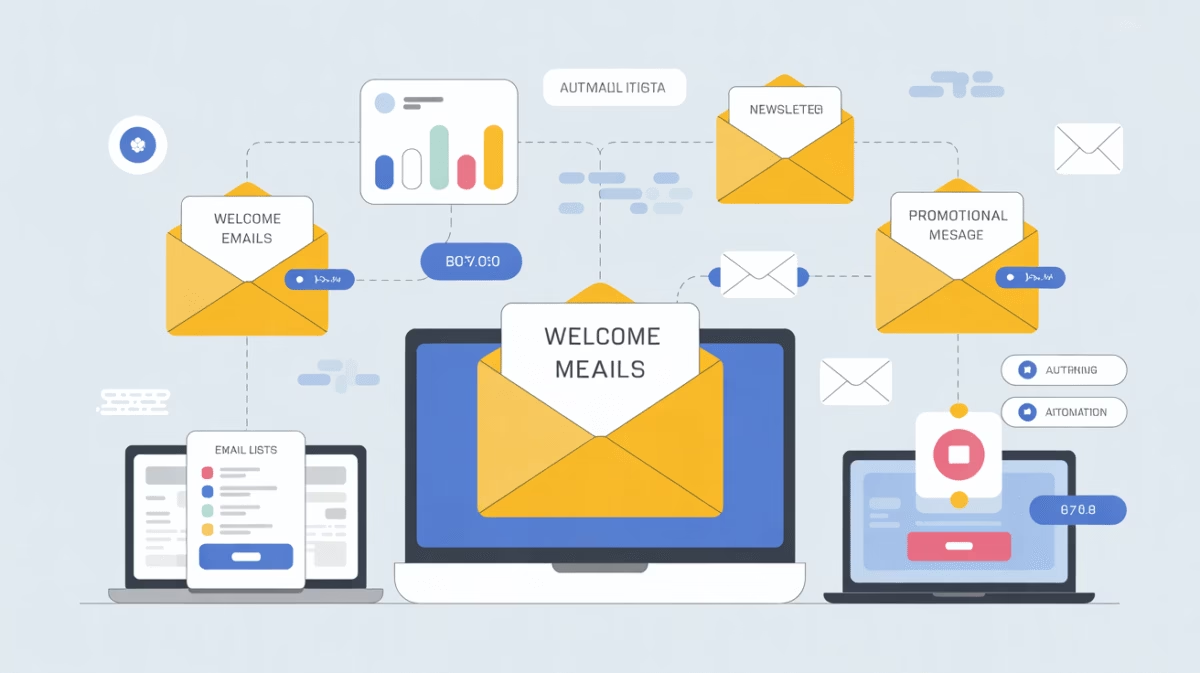
1. Welcome Emails types
This first types of emails is one of the most important emails you will ever send — and it often gets the highest open rate of your entire email marketing strategy. This is your first impression, your handshake, your “thanks for joining me” moment.
A strong welcome email helps you:
- Build trust quickly
- Set expectations for future emails
- Deliver your lead magnet or freebie
- Guide the subscriber toward their next step with your brand
From a business perspective, a well-crafted welcome email dramatically increases your chances of keeping new subscribers engaged. If someone opens and enjoys your very first email, they’re much more likely to read your future content — and eventually become a loyal customer.
What to Include in a Great Welcome Email:
- A friendly introduction that makes you feel human
- A reminder of what they signed up for
- A direct link to the freebie or resource you promised
- A short story or personal message to make a connection
- Clear expectations (how often you’ll email them, what topics you cover)
- A simple call to action (reply, follow on social, read your best article)
Pro Tip:
A welcome email doesn’t need to be long — it just needs to be meaningful. Think of it as opening the door and inviting someone into your world.
2. Newsletter Types of Emails
Newsletter emails are the heartbeat of your email marketing strategy. While welcome emails make the first impression, newsletters keep your audience connected to you week after week. They help you stay top-of-mind, build authority, and share valuable content without being pushy or overly promotional.
If you want your audience to remember who you are — and trust you — newsletters are essential.
A great newsletter allows you to:
- Provide ongoing value without selling
- Drive consistent traffic to your blog, website, or offers
- Position yourself as an expert in your niche
- Create a rhythm your subscribers can rely on
- Build a loyal community of engaged readers
Newsletters are especially powerful because people who stay subscribed over time become your warmest audience — the ones most likely to buy from you, support your work, and share your content.
What to Include in a High-Value Newsletter:
- A helpful tip or lesson related to your niche
- Your latest blog posts, videos, or social content
- A short personal story or insight (people connect with humans, not brands)
- Quick industry news or trends your audience should know
- A soft CTA (read this, watch this, grab this freebie)
Pro Tip:
The best newsletters feel like a friendly message from someone who genuinely wants to help — not a corporate announcement. Write like you’re talking to one person, not a crowd.
3. Promotional Emails Types
Promotional emails are the emails that directly generate revenue. They highlight a product, service, limited-time deal, or affiliate offer. Even if you’re nervous about “selling,” remember: if your product solves a problem, promoting it is an act of service — not pressure.
Every successful online business uses promotional emails strategically because they convert better than almost any other marketing channel.
Promotional emails help you:
- Launch new products or digital offers
- Sell courses, ebooks, templates, or coaching
- Promote affiliate products you trust
- Announce seasonal deals or special bonuses
- Generate quick boosts in income during campaigns
The key is to balance value and selling. If your regular emails focus on helping your audience, they’ll be more open — even excited — to hear about your offers.
Examples of Effective Promotional Emails:
- Product Launch Email: Introducing a new tool, course, or service
- Limited-Time Offer Email: Discounts, bonuses, or holiday sales
- Affiliate Recommendation: A product you personally use and recommend
- Cart-Open or Cart-Close Emails: Urgency-based messages during launches
- Value + Pitch Combo: Teach something, then offer a related solution
Pro Tip:
Always explain the benefit of your offer, not just the features. Your subscribers want to know how it will help them, save them time, or solve a problem.
4. Educational Emails
Educational emails are the backbone of trust-building in email marketing. These are the emails where you teach, explain, guide, or share insights that help your subscribers solve real problems. When done right, educational emails make your audience think:
“Wow, this person really knows their stuff — and they’re helping me for free.”
This positions you as a reliable expert, increases your credibility, and naturally warms people up to your paid offers later. The more value you give, the more trust you earn.
Educational emails help you:
- Establish authority in your niche
- Build a strong relationship with your audience
- Provide solutions your subscribers actually need
- Stand out from competitors who only send promotional messages
- Create a positive habit of opening your emails
These emails aren’t about selling — they’re about serving. And that’s exactly why they lead to sales in the long run.
Examples of Educational Email Topics:
- “5 Mistakes Beginners Make in Affiliate Marketing”
- “A Step-by-Step Guide to Setting Up Your Website”
- “How to Choose the Right Email Marketing Tool”
- “Three Things You Can Do Today to Increase Conversions”
- “The Simple Strategy I Used to Grow My First 1,000 Subscribers”
Pro Tip:
End each educational email with a light question like, “Is this something you struggle with?” This encourages replies — which boosts deliverability and helps you understand your subscribers better.
5. Lead Nurturing Emails
Lead nurturing emails bridge the gap between interest and action. They’re designed to guide your subscribers through a small journey — warming them up from “I like your content” to “I trust you enough to buy.”
Think of lead nurturing as the gentle middle ground between educational value and promotional intention. They prepare your audience to make an informed decision.
Lead nurturing emails help you:
- Build stronger emotional connection
- Address common objections before they come up
- Highlight the benefits of your solution
- Move subscribers closer to buying
- Increase conversions without feeling salesy
These emails usually come in a short sequence and feel like a natural conversation. You’re helping your subscriber understand the real problem, why it matters, and how your solution fits.
What a Good Lead Nurturing Sequence Might Include:
- A value-packed lesson
Something that helps the reader understand the topic more deeply. - A story or example
Stories are powerful — they make your message stick. - Common mistakes to avoid
This positions your solution as the safe, smart choice. - Soft introduction to your offer
Not a hard sell — just showing that a helpful option exists. - A gentle reminder or follow-up
Reinforcing the benefits and encouraging action.
Pro Tip:
Lead nurturing emails should feel supportive, not pushy. Your goal is to help someone make the best decision for themselves — not pressure them.
6. Re-Engagement Emails Types
No matter how good your content is, some subscribers will eventually stop opening your emails. It’s normal — most of people get busy, priorities change, inboxes fill up, and interest fades.
That’s where re-engagement emails come in.
Re-engagement emails are designed to wake up inactive subscribers and remind them why they joined your list in the first place. These messages help you clean, refresh, and energize your audience — keeping your list healthy and improving deliverability.
Re-engagement emails help you:
- Revive subscribers who lost interest
- Remove unengaged contacts that hurt your email performance
- Improve open rates and sender reputation
- Create a more responsive and profitable list
The main goal is simple: give people a reason to reconnect with your content.
Examples of Effective Re-Engagement Emails:
- “Still want to hear from me?”
- “I miss you — here’s what you’ve missed lately”
- “Before I remove you from my list…”
- “Are these topics still useful to you?”
- “Here’s a gift to welcome you back”
What to Include:
- A friendly reminder of who you are
- A quick summary of what they’ve missed
- A helpful piece of value or a small gift
- A simple “stay subscribed” button or link
- An option to update their preferences
Pro Tip:
Always send at least two re-engagement emails before removing someone from your list. Many people reconnect on the second try.
7. Confirmation Types or Double Opt-In Emails
A confirmation (or double opt-in) email is the message your subscribers receive right after signing up — asking them to confirm their subscription. Not all email marketing tools require this, but it’s highly recommended for building a high-quality list.
Confirmation emails protect your list from fake sign-ups, bots, uninterested users, and accidental entries. This ensures your future emails reach people who truly want to hear from you.
Confirmation emails help you:
- Build a clean, engaged audience from day one
- Improve deliverability and open rates
- Avoid spam complaints and unsubscribes
- Protect your sender reputation
- Ensure subscribers are genuinely interested
A strong confirmation email is short, clear, and easy to act on.
What to Include in a High-Converting Confirmation Email:
- A simple thank-you message
- A reminder of what they signed up for
- A clear “Confirm Subscription” button
- A quick sentence on what happens next
- A link to the freebie if your tool allows it
Examples of Confirmation Email Messages:
- “Welcome! Please confirm your subscription to receive your free guide.”
- “Click the button below to activate your subscription.”
- “You’re almost done — confirm your email to get your free resource.”
Pro Tip:
Use a single, bold button as the main call to action. The easier it is, the more people confirm — and the stronger your list becomes.
8. Abandoned Cart Emails
Abandoned cart emails are essential for any online business that sells digital or physical products. Whether you run an ecommerce store, sell templates, offer online courses, or promote digital downloads, people will add items to their cart… and then leave without checking out.
It happens all the time — not because they don’t want your product, but because:
- They got distracted
- Their phone rang
- Their card wasn’t nearby
- They wanted to “think about it”
- They planned to come back later but forgot
That’s why abandoned cart emails are incredibly powerful. They gently remind customers to complete their purchase and often become one of the highest converting email types in your entire email strategy.
Abandoned cart emails help you:
- Recover lost revenue effortlessly
- Increase conversions without extra marketing
- Reassure hesitant buyers
- Answer last-minute questions or objections
- Build trust by showing helpfulness, not pressure
What to Include in a High-Performing Abandoned Cart Email:
- A clear reminder of what they left behind
- A photo or short description of the product
- A strong call-to-action (CTA) button like “Complete Your Order”
- A short message addressing common fears or questions
- Optional: a small incentive (discount, bonus, free shipping)
Examples of Abandoned Cart Email Angles:
- “Did something go wrong? Your items are still waiting!”
- “You were so close! Complete your order in one click.”
- “Just a reminder — here’s what you left in your cart.”
- “Want to save your cart? Finish your purchase now.”
Pro Tip:
The best abandoned cart emails feel helpful, not pushy. Keep the tone friendly and focus on reminding — not pressuring.
9. Transactional Types of Emails
Transactional emails are automatic messages triggered by an action a user takes — not by your content calendar. While they’re often overlooked, transactional emails are some of the most opened emails in online business because they contain important information people expect.
Examples of actions that trigger these emails include making a purchase, creating an account, or requesting a password reset.
Transactional emails help you:
- Build trust by providing clarity and transparency
- Create a smooth, professional customer experience
- Reduce customer support requests
- Reassure buyers that their transaction was successful
- Set the stage for future communication
These emails are short, direct, and highly valuable to your customers.
Common Types of Transactional Emails:
- Order Confirmations — “Your purchase is complete.”
- Shipping Notifications — “Your order is on the way!”
- Account Creation Emails — “Welcome! Here are your login details.”
- Password Reset Emails — “Reset your password securely.”
- Invoice or Receipt Emails — “Your payment has been received.”
What to Include in a Good Transactional Email:
- Clear, essential information
- A professional, friendly tone
- Order details or account instructions
- Customer support links or FAQs
- Optional branding elements
Pro Tip:
You can subtly improve conversions by adding a small suggestion like:
“Want help getting started? Here’s a quick guide”
—but avoid making transactional emails overly promotional. Their main purpose is clarity and trust.
10. Feedback and Survey Emails
Feedback and survey emails are essential for improving your products, content, and overall customer experience. These emails show your audience that their opinion matters — and they help you understand exactly what your subscribers want from you.
When you ask people for feedback, you’re not just collecting insights — you’re building trust. You’re showing that you care enough to listen, and that you want to create things that genuinely help them.
Feedback emails help you:
- Understand your audience’s biggest needs and frustrations
- Improve your products, services, and content strategy
- Discover new ideas your audience actually wants
- Identify topics you should cover in future emails or blog posts
- Build stronger relationships through open communication
Even a simple question can create powerful engagement.
Examples of Feedback or Survey Email Topics:
- “What’s your biggest challenge right now?”
- “Which topic do you want me to cover next?”
- “What type of product would help you the most?”
- “How satisfied were you with your experience?”
- “If you could change one thing, what would it be?”
What to Include in an Effective Feedback Email:
- A short, clear request (“I’d love to hear from you”)
- One simple question or a short survey link
- A friendly tone that encourages honest responses
- A thank-you message to show appreciation
- Optional: a small bonus or resource as a reward
Pro Tip:
Keep it simple. One question gets more responses than a long survey, and it gives you more meaningful insights.
Final Thoughts on the 10 Types of Emails Every Online Business Should Send
Email marketing is more than just sending messages — it’s about building relationships, earning trust, and guiding your audience toward solutions that genuinely help them. By mastering the 10 types of emails every online business should send, you create a complete, effective communication strategy that supports your growth long term.
Here’s what you’ve learned in this guide:
- How welcome emails set the tone for new subscribers
- Why newsletters keep your audience engaged over time
- How promotional emails lead to predictable revenue
- Why educational emails build authority and trust
- The power of lead nurturing sequences in converting subscribers
- How re-engagement emails revive inactive readers
- The importance of confirmation emails for list quality
- Why abandoned cart emails recover lost sales
- How transactional emails enhance the customer experience
- Why feedback emails help you improve your entire business
The most successful online businesses don’t send emails randomly.
They send the right types of emails — consistently, intentionally, and with value at the center of everything.
If you’re just getting started, don’t feel pressured to use all 10 types at once. Begin with the basics:
Welcome email → Newsletter → Simple promo email
Then expand as your business grows.
The more you communicate with your audience in a genuine, helpful way, the more your email list becomes your most valuable business asset.
Next Step
Now you understand 10 types of important emails for online business owners, here’s your next move:
- Pick a simple email tool (like ConvertKit or MailerLite).
- Create a small but valuable lead magnet—something quick and helpful.
- Add a sign-up form to your site (sidebar, homepage, or even at the bottom of blog posts like this one).
- Start sending consistent emails. Don’t wait for 1,000 subscribers. Even 10 people deserve your best.
For more guidance, check out: